Types of Japanese Soy Sauce: Koikuchi vs. Usukuchi and More
Japanese soy sauce comes in five types under JAS (Japan Agricultural Standards): koikuchi, usukuchi, tamari, saishikomi and shiro. This guide explains what each label word means and which dishes each type is used for.
Japanese soy sauce is sorted into five types by JAS (Japan Agricultural Standards). The Soy Sauce Information Center gives them in English as common, light color, tamari, refermented, and extra light color. Their Japanese names are koikuchi, usukuchi, tamari, saishikomi and shiro, each followed by shoyu, the Japanese word for soy sauce. Look for one of these words on the bottle or in the shop listing.
The type tells you about color, taste and the dishes the sauce is used for. The center says the soy sauces made in each part of Japan have individual characters that spring from regional preferences and the history of brewing. So there is no "better" type to hunt for. A cook making a clear soup and a cook dipping sashimi are shopping for different jobs.
How Soy Sauce Types Work
The center names soybeans, wheat, and salt as the main raw materials of soy sauce. According to the center, the taste comes mainly from soybean proteins and the fragrance mainly from wheat starch. The color comes from amino acids from the proteins combining with glucose from the starch. Microorganisms work on each ingredient through a gradual and time-consuming process of fermentation and maturation.
The center describes the process like this: steamed soybeans and toasted wheat are mixed in roughly equal proportions. Koji mold spores are added to make koji. The koji goes into a tank with brine to create moromi, which rests for around six to eight months with repeated stirring.
The center lists the five types produced in Japan, then says "Each of these has a different scent and taste, and they have various manufacturing methods." Two examples show where the paths split. Usukuchi uses around 10% more salt than common soy sauce. Saishikomi swaps the brine: other soy sauce is made by blending the koji with brine, but saishikomi is blended with soy sauce.
Some soy sauce-based products are not one of the five. Dashi soy sauce, tsuyu dipping sauces, tare basting sauces and ponzu are soy sauce-based condiments. The center says these are not JAS-certified soy sauce.
The words on the label
- Koikuchi: The common type, which the center calls the most general type of soy sauce.
- Usukuchi: The light color type, which originated in the Kansai region.
- Tamari: A type mainly brewed in the Chubu region, characterized by thickness and dense umami.
- Saishikomi: The refermented type, blended with soy sauce instead of brine and also known as "sweet soy sauce".
- Shiro: The extra light color type, a pale amber soy sauce even lighter than usukuchi.
- Honjozo: The traditional brewing method, given in English as the regular fermenting method.
- Koji: Steamed soybeans and toasted wheat with koji mold spores added, the base that goes into the tank with brine.
- Moromi: The mix of koji and brine that rests in a tank while it ferments and matures.
- Umami: The savory flavor that the center lists among soy sauce's tastes.
Koikuchi
Koikuchi accounts for around 80% of domestic production volume, and the center calls it the most general type. Besides saltiness, it has deep umami, rounded sweetness, refreshing acidity, and a bitterness that brings the tastes together. The center puts the salt content of common soy sauce at 16 to 17%. The center describes koikuchi as a general-purpose condiment, usable in cooking or at table.
Koikuchi is also made by more than one method. The center lists the main manufacturing methods for common soy sauce as honjozo (regular fermenting), kongo jozo (semi-fermenting) and kongo (mixing). Honjozo is the main one and accounts for approximately 80% of production. Kongo jozo uses amino acid fluid and other ingredients in brewing, and kongo mixes in amino acids to shorten the manufacturing time.
If you are buying one bottle for stir-fries, marinades and the table, koikuchi is the type to start with. Look for the word honjozo if you want the traditional method.
Usukuchi
Usukuchi is a light-colored soy sauce that originated in the Kansai region. It accounts for around 10% of domestic production volume. Light color does not mean less salt. It uses around 10% more salt than common soy sauce, to make fermentation and maturation more gradual.
Its color and fragrance are reduced to bring out the original flavors of the ingredients. It is used in dishes that preserve the color and taste of the ingredients. The center's examples are sugar-boiled stews and takiawase, in which ingredients are cooked separately but served together. If you want simmered vegetables that keep their own color, this is the type to look for. Because it carries more salt, taste as you go instead of pouring it in the amount you would use for koikuchi.
Tamari
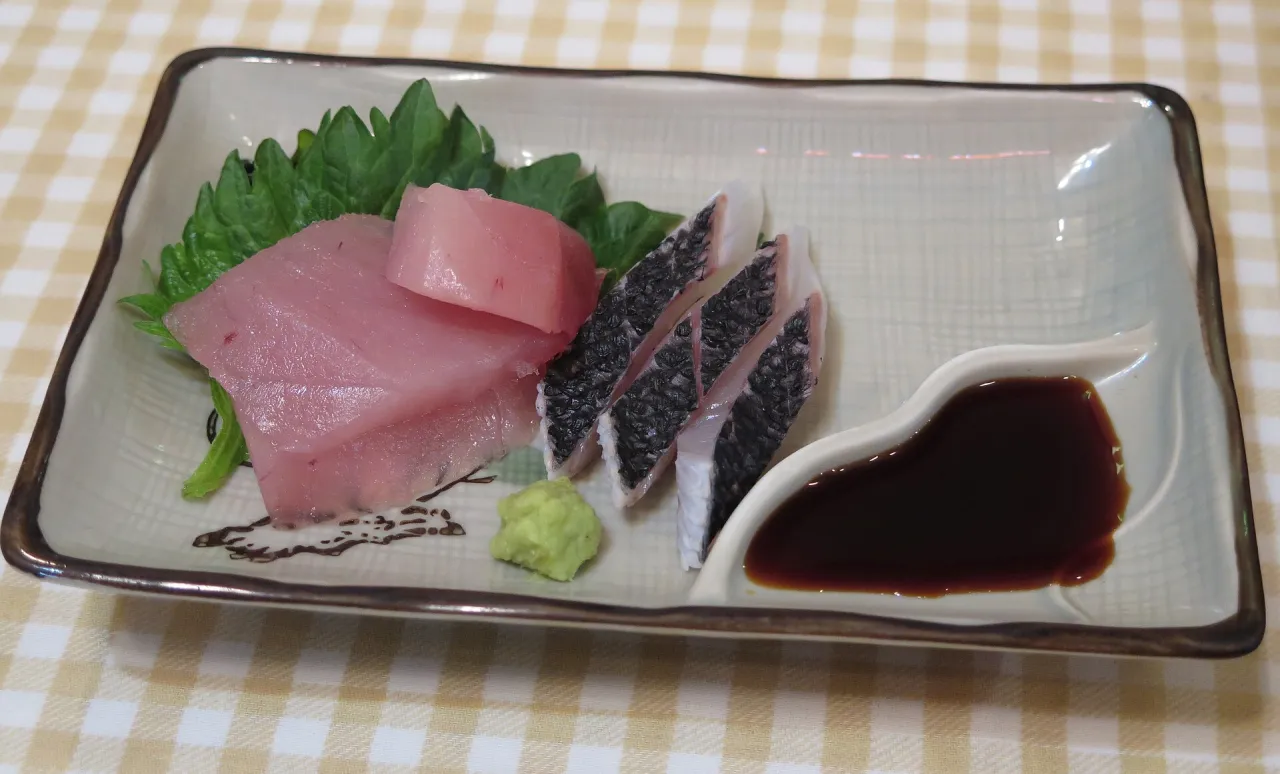
Tamari is mainly brewed in the Chubu region. The center says it is characterized by thickness, dense umami, and a unique fragrance. It has long been called "sashimi tamari", as it is commonly used at table with sushi and sashimi.
When heated, it reveals a red tint. It is also used in grilling, boiling in soy sauce, and the processing of senbei rice crackers. The center's history page tells a story about where it came from. In that story, the liquid that seeps out of hishio became what is now known as tamari soy sauce. The center places hishio midway between soy sauce and miso. Try tamari when you want a thick sauce in a small dish beside sashimi, or for grilling.
Saishikomi
Saishikomi is produced in an area extending from the San-in region to Kyushu, centered in Yamaguchi prefecture. Blending with soy sauce in place of brine is why it is called "refermented".
It is dense in color, flavor, and fragrance, and is also known as "sweet soy sauce". It is mainly used at table, for flavoring sashimi, sushi, chilled tofu and similar dishes. If your soy sauce mostly goes into a dipping dish rather than a pan, saishikomi is worth a place next to your koikuchi.
Shiro
Shiro is a pale amber soy sauce, even lighter than usukuchi, that originated in the Hekinan district of Aichi prefecture. Its flavor is bland, but with a strong sweetness, and it has a unique fragrance. It is used in soups and in chawanmushi, an egg custard, where its fragrance and light color do the work. It also goes into rice crackers, pickles, and other foods.
Choose shiro when a dish should stay pale and still taste of soy sauce, such as a clear soup. The words to look for are shiro or, in the center's English, extra light color.
FAQs
How many types of Japanese soy sauce are there?
JAS (Japan Agricultural Standards) classifies five types: koikuchi (common), usukuchi (light color), tamari, saishikomi (refermented) and shiro (extra light color).
Is usukuchi soy sauce lower in salt?
No. Usukuchi is lighter in color, but the Soy Sauce Information Center says it uses around 10% more salt than common soy sauce, to make fermentation and maturation more gradual.
Is ponzu a type of soy sauce?
Ponzu is a soy sauce-based condiment that combines soy sauce with brewed vinegar and citrus juice or dashi stock. The Soy Sauce Information Center says these condiments are not JAS-certified soy sauce.