The 5 Best Japanese Soy Sauces for Your Kitchen
The best Japanese soy sauce for most kitchens is a light-tasting bottle for simple seasoning, such as Yamaroku Kikubishio. Add an usukuchi for pale dishes, a tamari for stews and a twice-brewed saishikomi for dipping.
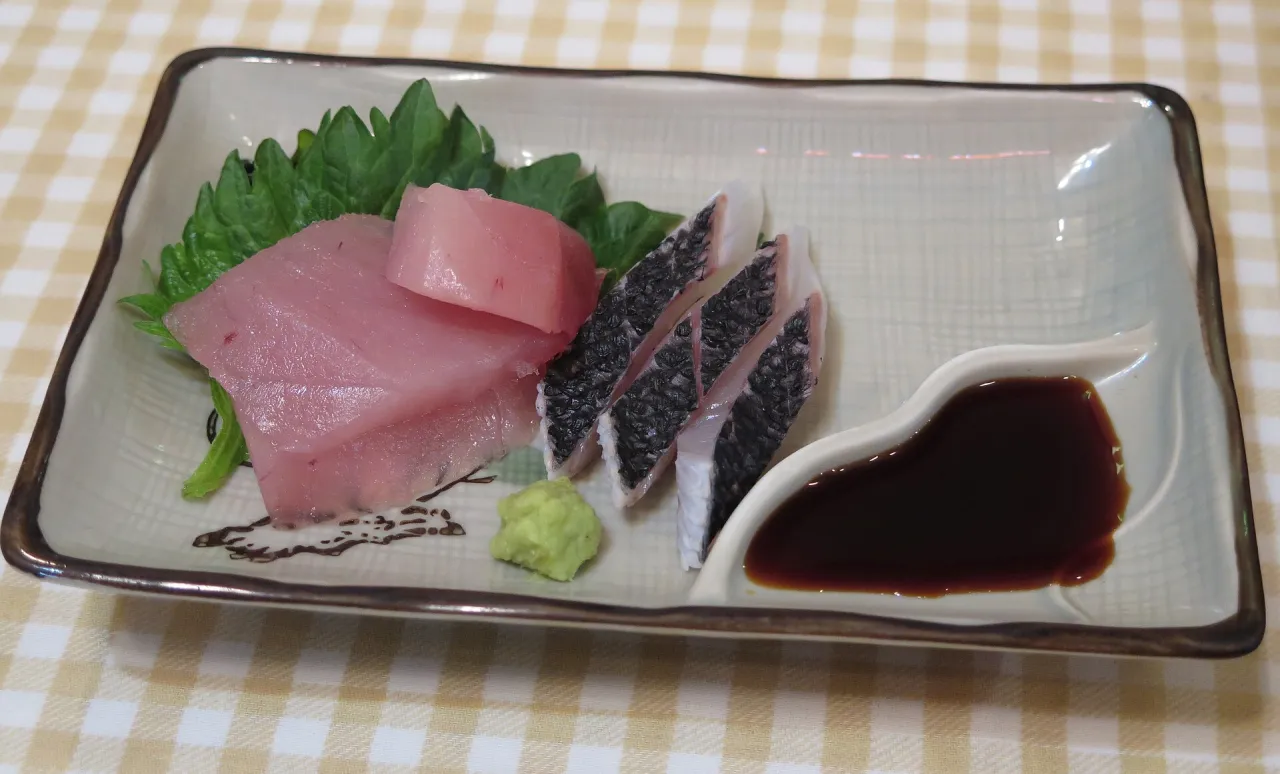
The best Japanese soy sauce for most kitchens is a light-tasting bottle for simple seasoning, and Yamaroku Kikubishio is our first pick. The other four picks cover a light-colored sauce for pale dishes, a tamari made without wheat, a twice-brewed sauce for dipping, and an everyday all-rounder for cooking.
We print a spec only when the product page confirms it, and anything unconfirmed shows a dash. Prices change too often to print, so each pick links to the shop.
Our Top Picks
- Jump to Review ↓
- Best Light-Colored (Usukuchi): Suehiro Usukuchi Shoyu Naturally Brewed Japanese Light Soy Sauce at Japanese TasteJump to Review ↓
- Best Tamari: Minamigura Tamari Shoyu Najimi at Japanese TasteJump to Review ↓
- Best Twice-Brewed (Saishikomi): Yamaroku Soy Sauce, Tsuru Bishio at YoshienJump to Review ↓
- Best Everyday All-Rounder: Kikkoman Soy Sauce at Kikkoman UKJump to Review ↓
Best Overall
Yamaroku Kikubishio Shoyu Barrel Aged Japanese Soy Sauce
- Listed tasting notes
- A red-brown, mild soy sauce with a faintly sweet scent; the retailer suggests it for simple seasoning.
- Type
- —
- Brewing
- Large wooden barrels
- Aging
- —
- Ingredients
- Tanba black soybean, Sanuki-no-Yume wheat, solar salt (from Mexico)
- Region
- Japan
Japanese Taste says Yamaroku makes it in large wooden barrels that “have been used for over 150 years.” The shop calls it an orthodox soy sauce with a “beautiful red brown color, faintly sweet scent, and light taste.”
Japanese Taste says its bland taste makes it the best choice for seasoning dishes in a simple way. Try it on egg rice or cooked shiitake, as the shop suggests.
Best Light-Colored (Usukuchi)
Suehiro Usukuchi Shoyu Naturally Brewed Japanese Light Soy Sauce
- Listed tasting notes
- A light-colored sauce that seasons food while leaving it looking bright, per the retailer.
- Type
- Usukuchi (light soy sauce)
- Brewing
- Naturally brewed
- Aging
- —
- Ingredients
- Soybean, wheat, salt
- Region
- Tatsuno, Hyogo
Usukuchi means “light-colored,” and the word refers to color, not salt. The Soy Sauce Information Center says usukuchi “uses around 10% more salt than common soy sauce.” Suehiro brews this one in Tatsuno, Hyogo.
Reach for it when a dark sauce would muddy a dish, such as tofu or other light ingredients. It is saltier, so start with a little less than you would use of common (koikuchi) soy sauce.
Best Tamari
Minamigura Tamari Shoyu Najimi
- Listed tasting notes
- Made from soybeans and salt without wheat; the retailer recommends it for cooking, such as stews.
- Type
- Tamari
- Brewing
- Wooden kioke barrels
- Aging
- 3 years
- Ingredients
- Domestic whole soybeans (non-GMO), salt
- Region
- Taketoyo, Aichi
Tamari, a thick soy sauce, is brewed mainly in the Chubu region, according to the Information Center. Japanese Taste says Minamigura Shoten's version is “slowly aged for 3 years in 145-year-old wooden kioke barrels.”
The page lists only domestic whole soybeans and salt, with no wheat. If you avoid wheat for any reason, read the label as well. The retailer recommends it as a seasoning for cooking, such as stews.
Best Twice-Brewed (Saishikomi)
Yamaroku Soy Sauce, Tsuru Bishio
- Listed tasting notes
- Twice-brewed and barrel-aged; the retailer suggests it with sushi, sashimi, tofu, meat and grilled fish.
- Type
- Twice-brewed
- Brewing
- Red cedar barrels (kioke)
- Aging
- Up to four years
- Ingredients
- Water, soybeans, wheat, salt, alcohol
- Region
- Shōdo Island, Kagawa, Japan
Saishikomi means “refermented”: the Information Center says it “is blended with other soy sauce” instead of brine. The retailer Yoshien says Yamaroku ages its Tsuru Bishio “up to four years in red cedar barrels.”
Japanese Taste describes a “dark, almost black color, very rich and strong scent, and mellow taste.” Pour a little into a small dish for sashimi, sushi or chilled tofu, the table uses the Information Center lists.
Best Everyday All-Rounder
Kikkoman Soy Sauce
- Listed tasting notes
- An all-purpose soy sauce with a full-bodied aroma, which the producer suggests for cooking and the table.
- Type
- —
- Brewing
- —
- Aging
- Several months
- Ingredients
- Water, Soybeans, Wheat, Salt
- Region
- —
This is the bottle for cooking, when a recipe calls for more than a splash. Kikkoman's UK site lists four ingredients, water, soybeans, wheat and salt, and says the sauce is given “several months to mature.”
Kikkoman suggests it for every dish, both during cooking and on the plate. Use it in marinades, stir-fries and soups. The page states that Kikkoman is a registered trademark of Kikkoman Corporation, Japan.
Final Verdict
For most people, Yamaroku Kikubishio is the right first bottle of Japanese soy sauce. Japanese Taste describes it as blander in flavor than Yamaroku's twice-brewed sauce.
The shop says that bland taste makes it the best choice for seasoning dishes in a simple way.
If you cook often and want a bottle for marinades and soups, choose Kikkoman Soy Sauce instead.
What to Look For in Japanese Soy Sauce
Type
Japan's JAS standards (Japan Agricultural Standards) sort soy sauce into five types. You may also see the Japanese names below on labels.
| Type | Where it comes from | Typical use |
|---|---|---|
| Common (koikuchi) | Used nationwide | Cooking and at the table |
| Light color (usukuchi) | Kansai region | Dishes that keep the color of their ingredients |
| Tamari | Chubu region | Sushi, sashimi, grilling, rice crackers |
| Refermented (saishikomi) | San-in region to Kyushu | Sashimi, sushi, chilled tofu |
| Extra light color | Hekinan district of Aichi | Soups and chawanmushi egg custard |
The extra light color type is a pale amber sauce even lighter than usukuchi, according to the Information Center.
Brewing method
The Information Center names three main methods. Honjozo, the traditional method, “accounts for approximately 80% of production.” Kongo jozo, the semi-fermenting method, uses amino acid fluid in brewing. Kongo, the mixing method, blends in amino acids to shorten manufacturing time.
Storage
Over time, the color of soy sauce gets stronger and its flavor fades, the Information Center explains. Once opened, it begins to oxidize, so keep it closed in a cool, dark place, ideally the refrigerator, and finish it within around one month.
FAQs
What is the difference between koikuchi and usukuchi soy sauce?
Koikuchi is the general-purpose type and accounts for around 80% of domestic production volume in Japan. Usukuchi is lighter in color but uses around 10% more salt, and it suits dishes that should keep the color of their ingredients.
Does soy sauce need to be refrigerated after opening?
The Soy Sauce Information Center says that once opened, soy sauce begins to oxidize, and that at home it is best stored in a refrigerator. Keep it closed in a cool, dark place, and ideally finish the bottle within around one month.
Is tamari the same as soy sauce?
Tamari is one of the five JAS types of soy sauce. It is brewed mainly in the Chubu region and is known for its thickness and dense umami (savory taste). Some tamari, such as Minamigura Najimi, is made without wheat, so check the label if that matters to you.
Why Trust MIJ TIMES?
The MIJ TIMES Editors chose these bottles by type, so each does a different job. Specs come from the linked product pages, and type definitions from the Soy Sauce Information Center. Taste notes are the retailer's or producer's published notes, summarized in our own words. We did not run a tasting panel, so check the shop page before you order.