Junmai vs. Ginjo vs. Daiginjo: What to Know
Three words cover most of the premium sake you will see outside Japan. Here is what each one promises, and what it does not.
Walk into a shop with a decent sake shelf and you will see the same few words over and over: junmai, ginjo, daiginjo, sometimes stacked together. They are not brand names or regions. They are grades defined by Japanese labelling rules, and each tells you two practical things about how the sake was made: how much of the rice was polished away, and whether a little distilled alcohol was added before pressing.
Neither of those makes one sake “better” than another. They push the style in a direction, and once you know the direction you can shop by taste instead of by price.
How Sake Grades Work
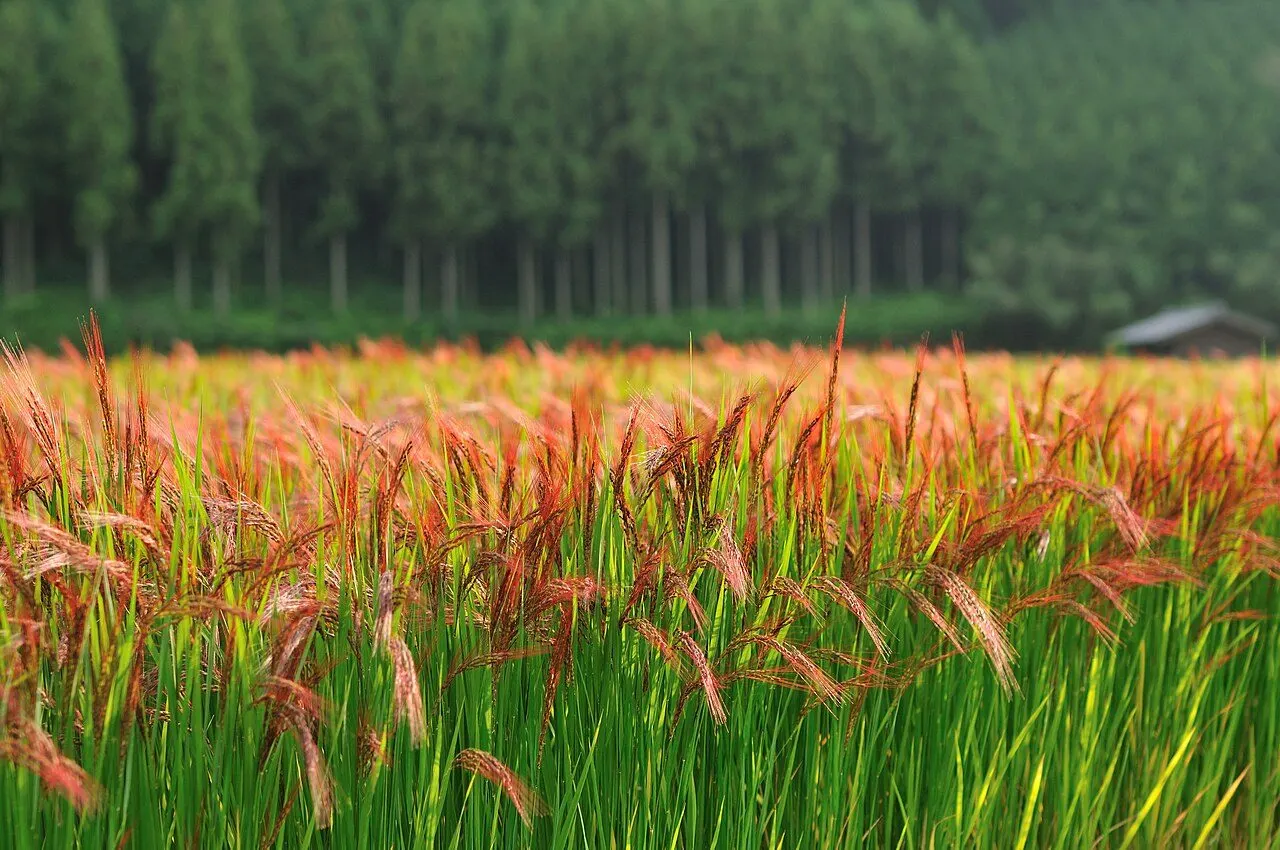
Rice grains carry protein and fat in their outer layers and starch in the core. Polishing removes the outer layers. The more you remove, the cleaner and more aromatic the sake tends to be; the less you remove, the more body, savoriness and rice character it keeps.
The second lever is alcohol. Some grades allow brewers to add a small amount of distilled alcohol near the end of fermentation. Done well, it draws out aroma and gives a lighter, drier finish. Sake labelled “junmai” has none.
The words on the label
- Junmai: Made from rice, water, koji and yeast only, with no added distilled alcohol.
- Honjozo: Rice polished to 70% or less, with a small amount of distilled brewer’s alcohol added.
- Ginjo: Rice polished to 60% or less and fermented slowly at low temperature for a fruitier aroma.
- Daiginjo: The same method as ginjo, with rice polished to 50% or less.
- Seimai-buai: Polishing ratio: the percentage of each rice grain left after milling.
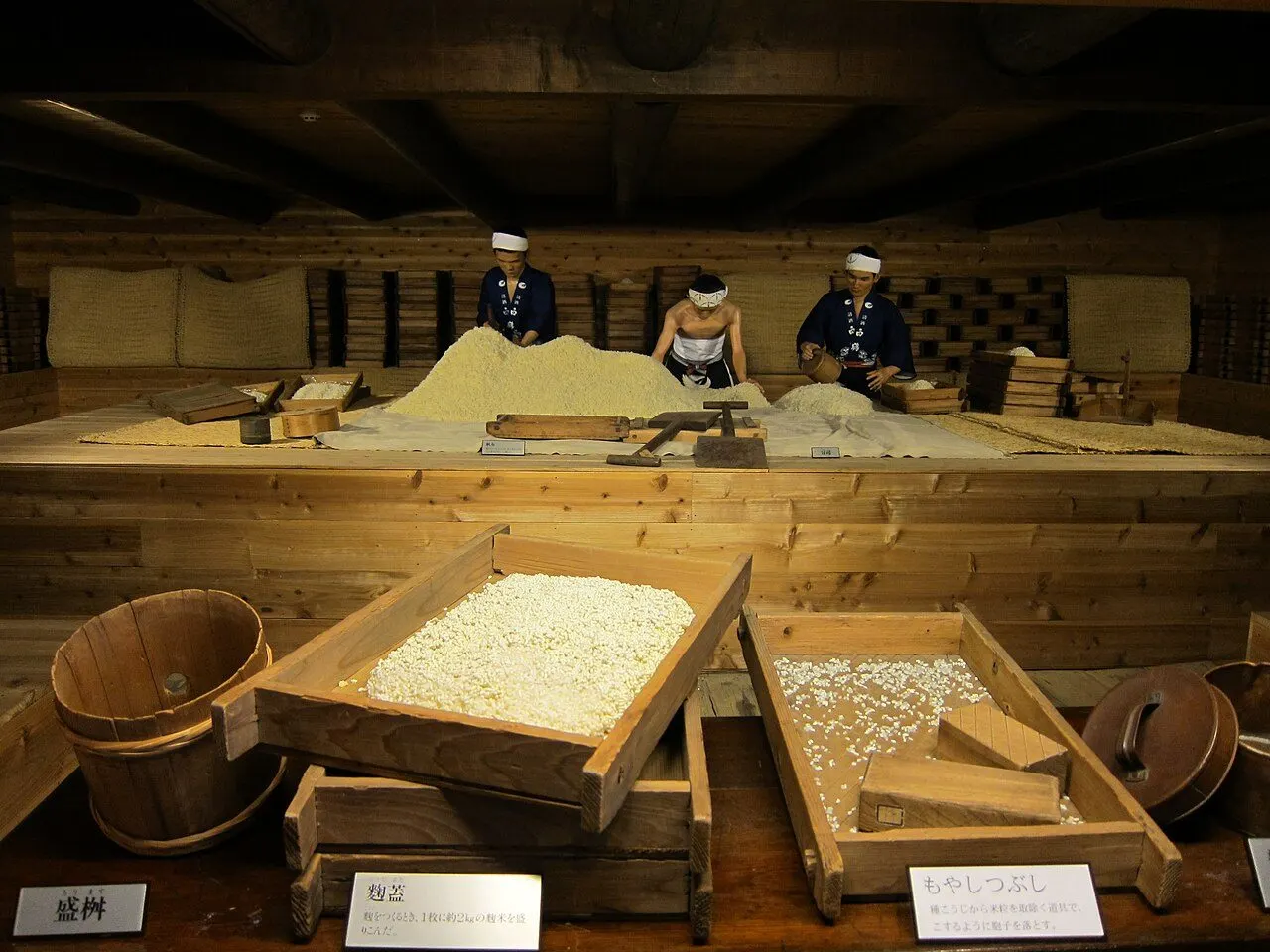
- Koji: Steamed rice grown with the mold Aspergillus oryzae, which turns starch into sugar.
- Tokubetsu: “Special”: a junmai or honjozo made with extra polishing or a distinctive method.
Junmai
Junmai means “pure rice.” The only ingredients are rice, water, koji and yeast. There is no minimum polishing requirement for the grade.
As a style, junmai tends to be fuller and rounder, with more acidity and umami. It is the most food-friendly of the three and often the best choice for warming. If a label says “junmai ginjo” or “junmai daiginjo,” it combines the no-added-alcohol rule with the polishing level of the next two grades.
Ginjo
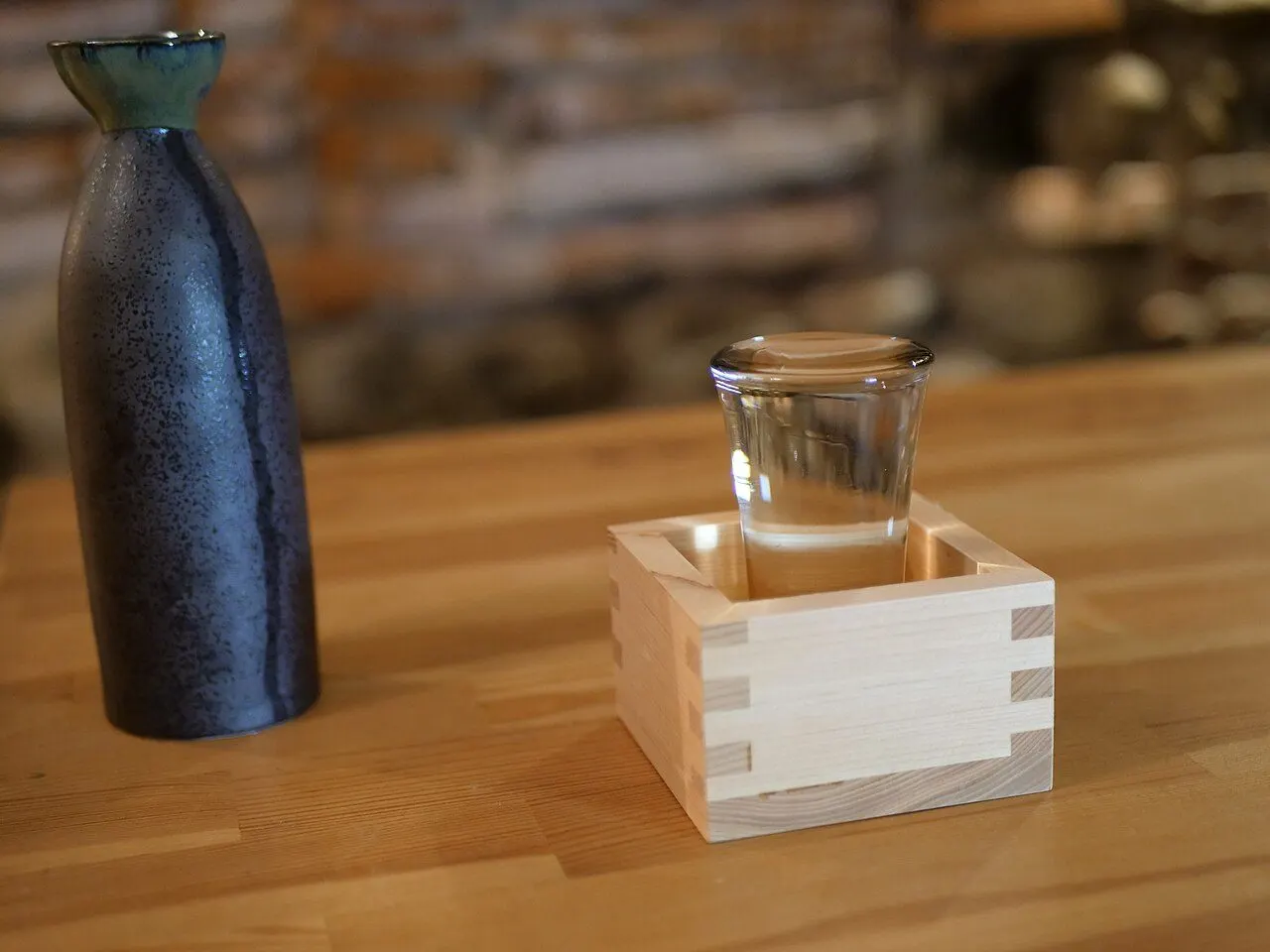
Ginjo sake uses rice polished so that 60% or less of each grain remains, and it is fermented slowly at cold temperatures. That cool, patient fermentation is what produces the fruity and floral aromas people associate with premium sake: pear, melon, apple, sometimes banana.
Plain “ginjo” may contain a little added alcohol; “junmai ginjo” does not. Both are best lightly chilled, in a glass wide enough to smell.
Daiginjo
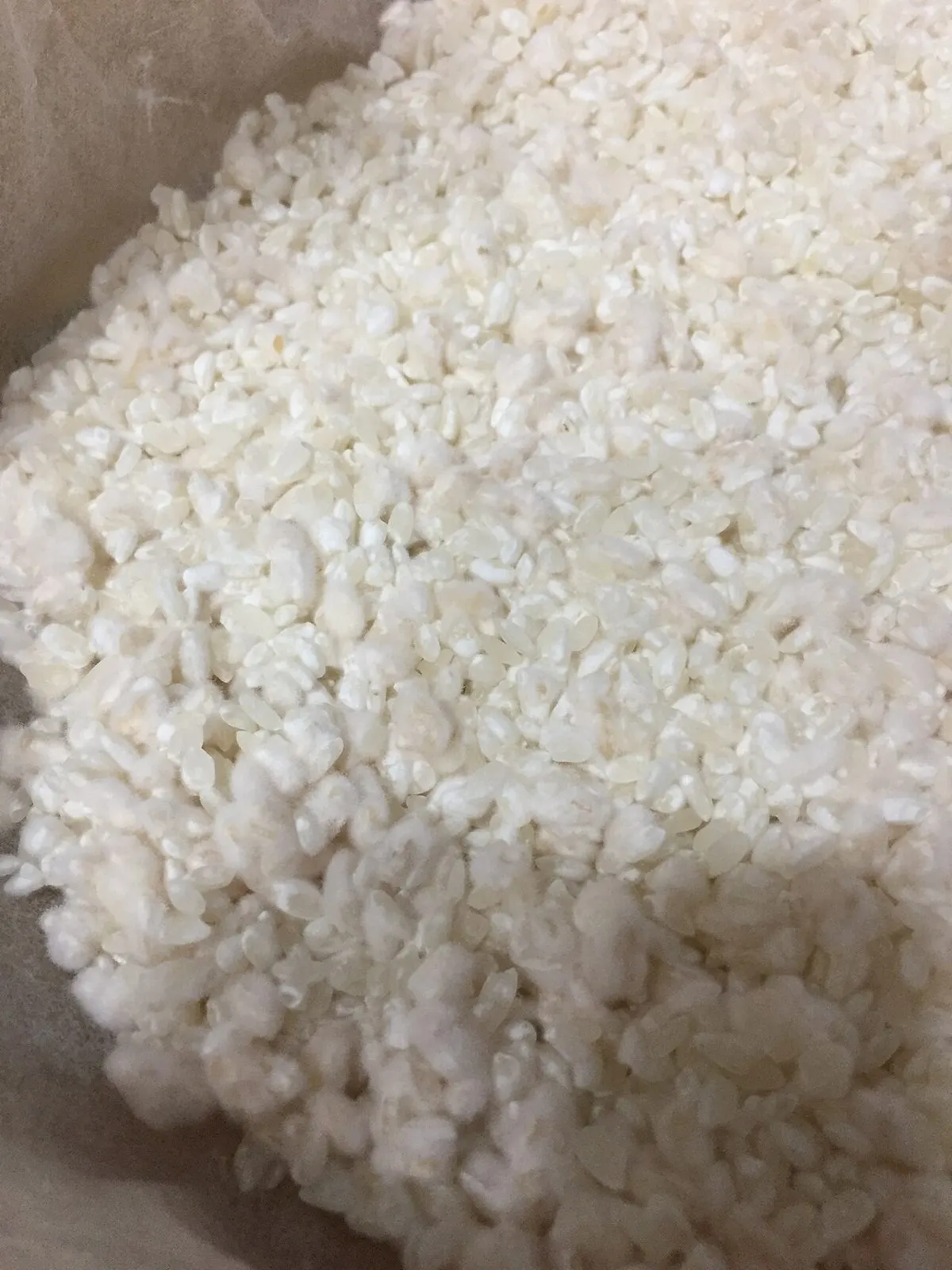
Daiginjo takes the ginjo method further: at least half of every grain is polished away, leaving 50% or less. More rice is needed for every bottle, which is one reason daiginjo costs more.
Expect the lightest body and the most lifted aroma of the three. That delicacy is also a weakness with strong flavors, so save daiginjo for raw fish, simple vegetable dishes, or drinking on its own. For bottle suggestions in every grade, see The 10 Best Sakes to Drink.