The 10 Best Sakes to Drink
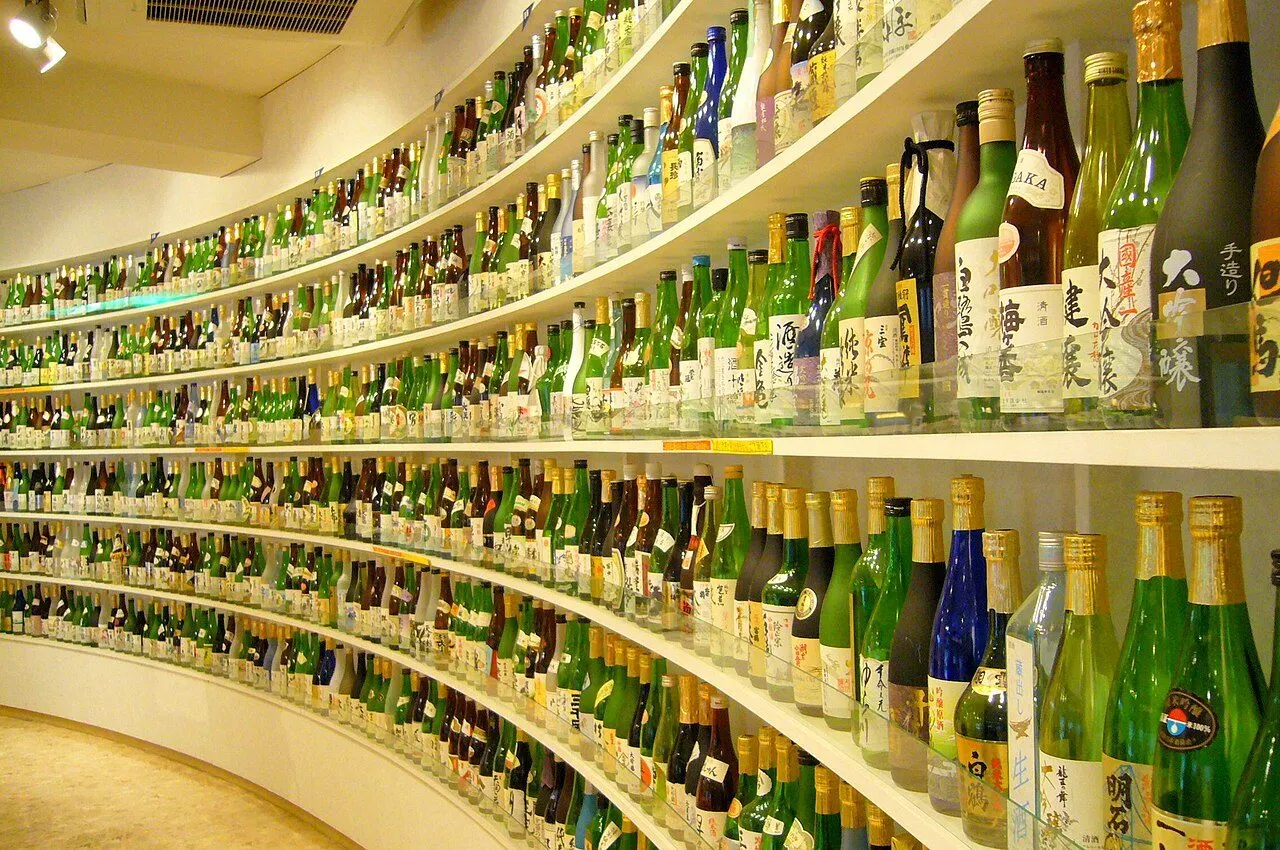
Sake is easier to shop for than its labels suggest. Once you know a handful of words, a bottle tells you how much the rice was polished, whether alcohol was added, and roughly how it will taste. The list below covers the main styles you will find outside Japan, with one pick for each job: a first bottle, a gift, a weeknight pour, something to warm, and something to age.
We print a spec only when we could confirm it on the retailer's product page; anything we could not confirm is marked with a dash. Prices change too often to print, so each pick links to the shop instead.
Our Top Picks
- Best Overall: Dassai 39 Junmai Daiginjo at La Maison du WhiskyJump to Review ↓
- Best Splurge: Dassai 23 Junmai Daiginjo at La Maison du WhiskyJump to Review ↓
- Best Everyday Bottle: Hakkaisan Tokubetsu Honjozo at La Maison du WhiskyJump to Review ↓
- Best Junmai Ginjo: Hokko Masamune Junmai Ginjo at La Maison du WhiskyJump to Review ↓
- Best Traditional Method: Daishichi Minowamon at La Maison du WhiskyJump to Review ↓
- Jump to Review ↓
- Best Sparkling: Masumi Sparkling Cuvée Prestige at La Maison du WhiskyJump to Review ↓
- Best for Warming: Bijofu Matsuyama Mii Junmai at La Maison du WhiskyJump to Review ↓
- Best Light & Clean: Koshi no Kanbai Sai at La Maison du WhiskyJump to Review ↓
- Best Aged: Kenbishi Zuishou at La Maison du WhiskyJump to Review ↓
Best Overall
Dassai 39 Junmai Daiginjo
- Region
- Yamaguchi
- ABV
- 15%
- Rice polished to
- 39%
- Rice
- Yamada Nishiki
- Listed tasting notes
- white flowers, pineapple, apple, pear
If you want a single bottle that explains what the junmai daiginjo grade is about, start here. The brewery behind it makes nothing but junmai daiginjo, and the 39 sits between its 45 and its 23: polished harder than the 45, but not as far as the 23.
Related: Junmai vs. Ginjo vs. Daiginjo: What to Know
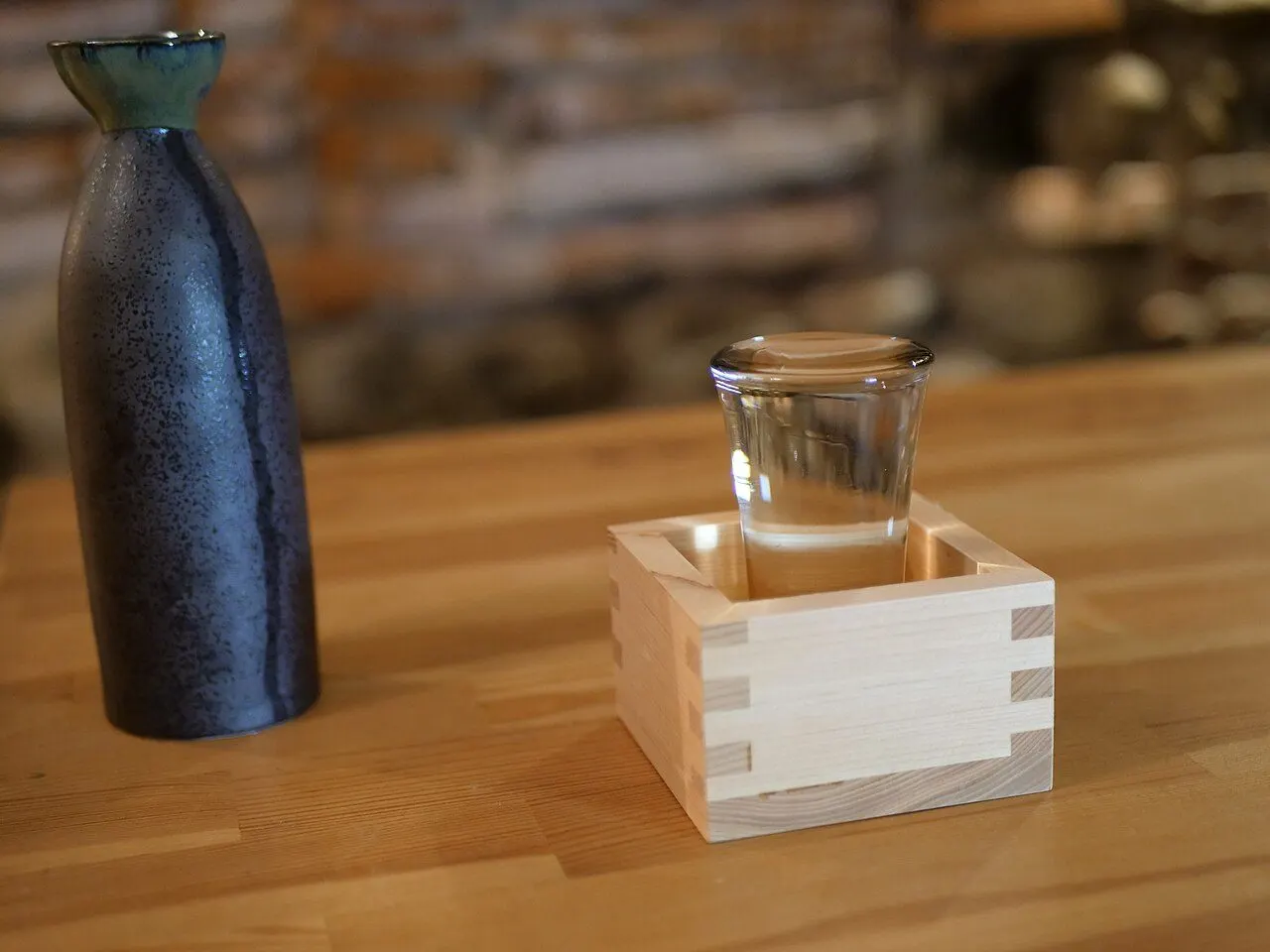
Treat it like a delicate white wine. Chill it lightly, pour it into a stemmed glass rather than a thimble-sized cup, and give the aroma a moment. It is an easy match for raw fish, citrus-dressed salads, or nothing at all.
Best Splurge
Dassai 23 Junmai Daiginjo
- Region
- Yamaguchi
- ABV
- 15%
- Rice polished to
- 23%
- Rice
- Yamada Nishiki
- Listed tasting notes
- ripe grape, pineapple, citrus, pear, floral finish
Only 23 percent of each rice grain is left by the time this sake is brewed. That extreme polishing strips away the outer layers that carry fat and protein, and what remains is a sake built almost entirely on aroma and texture.
It is the bottle people bring to a dinner when they want the gift noticed. Serve it cool, not ice-cold, so the fruit on the nose has room to open.
Best Everyday Bottle
Hakkaisan Tokubetsu Honjozo
- Region
- Niigata
- ABV
- 15.5%
- Rice polished to
- 55%
- Rice
- —
- Listed tasting notes
- —
Honjozo sake has a small, measured addition of distilled alcohol, which tends to lift the aroma and leave a lighter, drier finish. This one comes from Niigata, a snowy prefecture known for clean, crisp sake, and its 55 percent polishing ratio is more than the grade requires.
Related: What “Honjozo” Means on a Label
This is the bottle to keep in the fridge door for weeknights. It works chilled with fried food and grilled fish, and it holds up if you want to try it gently warmed.
Best Junmai Ginjo
Hokko Masamune Junmai Ginjo
- Region
- Nagano
- ABV
- 15%
- Rice polished to
- —
- Rice
- —
- Listed tasting notes
- floral nose, clean and lively finish
Nagano is mountain country, and its brewers work with cold winters and soft water. This junmai ginjo shows the style at its most approachable: aromatic on the nose, balanced in the middle, and quick to clear the palate.
Junmai ginjo is the grade we recommend most often to people moving beyond their first bottle. It has more aroma than a plain junmai without the special-occasion price of daiginjo.
Best Traditional Method
Daishichi Minowamon
- Region
- Fukushima
- ABV
- 15.5%
- Rice polished to
- —
- Rice
- Yamada Nishiki
- Listed tasting notes
- silky body, deep umami, structured acidity
Kimoto is the old way of building a yeast starter: lactic acid bacteria from the brewery environment are allowed to develop slowly instead of adding lactic acid from a bottle. It takes weeks longer, and the payoff is usually more savory depth and firmer acidity.
Related: Junmai vs. Ginjo vs. Daiginjo: What to Know
This bottle pairs that method with the junmai daiginjo grade, a less common combination. Try it slightly cool with roast chicken, mushrooms, or aged cheese.
Best Nigori
Niida Shizenshu “Nigori Melon” Junmai Ginjo 60
- Region
- Fukushima
- ABV
- 15%
- Rice polished to
- —
- Rice
- —
- Listed tasting notes
- fresh melon aroma, rich sweetness
Nigori means “cloudy.” The sake is pressed through a coarser mesh, so some of the fermented rice stays in the bottle and gives it a creamy look and a fuller texture. Give the bottle a gentle turn before pouring so the sediment mixes back in.
This one leans fruity, which makes it a good bridge for wine drinkers. Serve it well chilled; it also stands up to creamy sauces better than most clear sake.
Best Sparkling
Masumi Sparkling Cuvée Prestige
- Region
- Nagano
- ABV
- 12%
- Rice polished to
- —
- Rice
- —
- Listed tasting notes
- green apple, bay leaf, hazelnut
The bubbles in this bottle come from a second fermentation in the bottle, the same idea behind traditional-method sparkling wine. The result is finer and more persistent than carbonated sake.
At 12 percent alcohol it is lighter than most still sake, which makes it a natural opener for a meal or a celebration. Serve it as cold as you would Champagne.
Best for Warming
Bijofu Matsuyama Mii Junmai
- Region
- Kochi
- ABV
- 15%
- Rice polished to
- 60%
- Rice
- Matsuyama Mii
- Listed tasting notes
- smooth, moderate acidity, clean finish; the retailer suggests it warm, at around 40 degrees
Warm sake has a reputation problem, mostly because cheap sake was served hot to hide its flaws. A well-made junmai is different: gentle heat softens the acidity and brings out the rice.
Related: Junmai vs. Ginjo vs. Daiginjo: What to Know
Aim for “nurukan,” about 40°C (104°F), which feels close to body temperature. Set the bottle or a small carafe in a pan of hot water off the heat for a few minutes rather than microwaving it.
Best Light & Clean
Koshi no Kanbai Sai
- Region
- Niigata
- ABV
- 15%
- Rice polished to
- 55%
- Rice
- Gohyakumangoku, Yamadanishiki
- Listed tasting notes
- pear, melon, a hint of steamed rice, very clean finish
Niigata built its name on a style often described as “tanrei karakuchi”: light and dry. This bottle is a good example of the house style of one of the prefecture’s best-known brewers, blending two classic sake rice varieties.
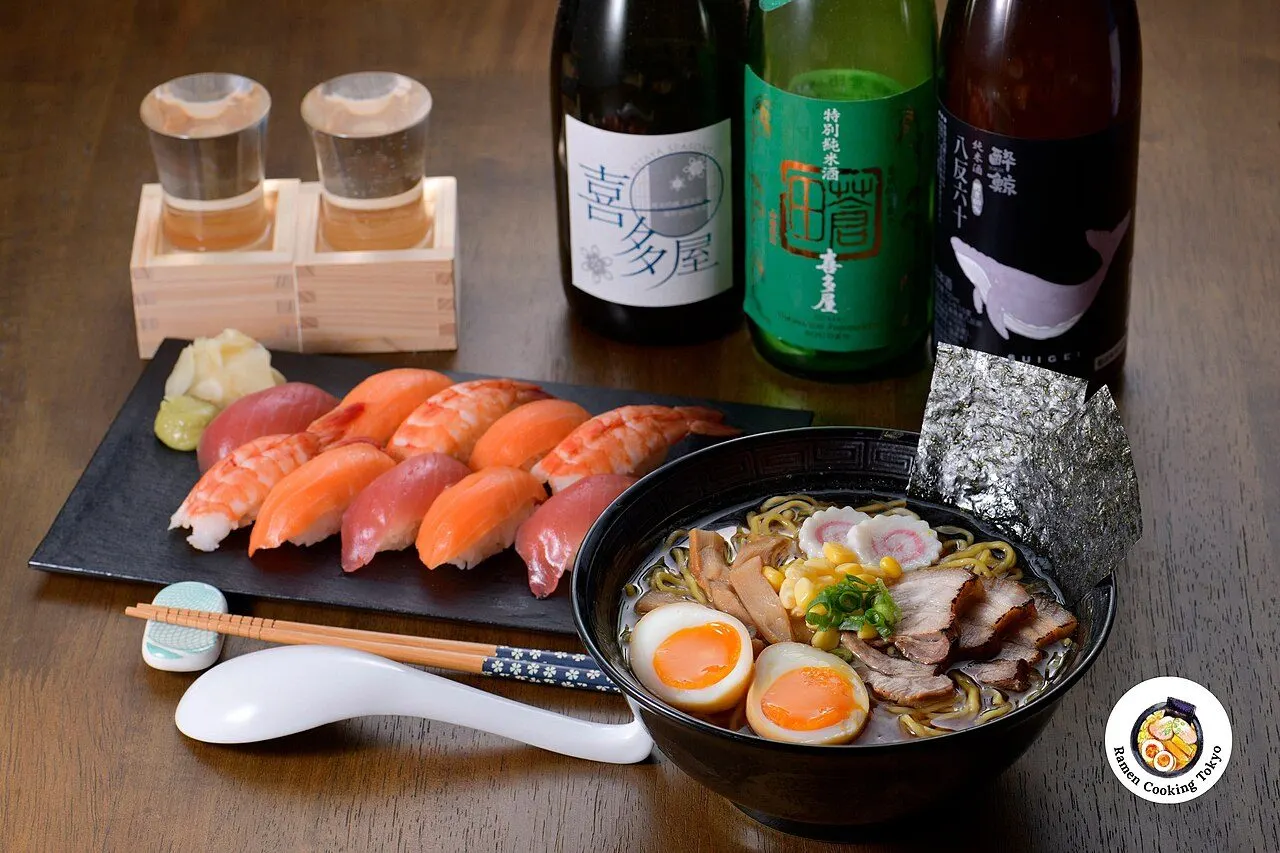
Keep it simple with sushi, tempura, or a plate of salted edamame. The retailer suggests serving it chilled to about 10°C or at room temperature.
Best Aged
Kenbishi Zuishou
- Region
- Hyogo
- ABV
- 18%
- Rice polished to
- —
- Rice
- Yamada Nishiki
- Listed tasting notes
- dried fruit, nuts, caramel, strong umami
Most sake is meant to be drunk young. Aged sake, sometimes called koshu, goes the other way: color deepens toward amber, and the flavors move toward dried fruit, nuts, and soy-like savoriness. According to the retailer, this release blends cuvées aged from 5 to 21 years.
Pour it in small measures at cellar temperature, the way you might serve an aged fortified wine, and try it alongside blue cheese or dark chocolate.
Related: More Bottle Guides
Final Verdict
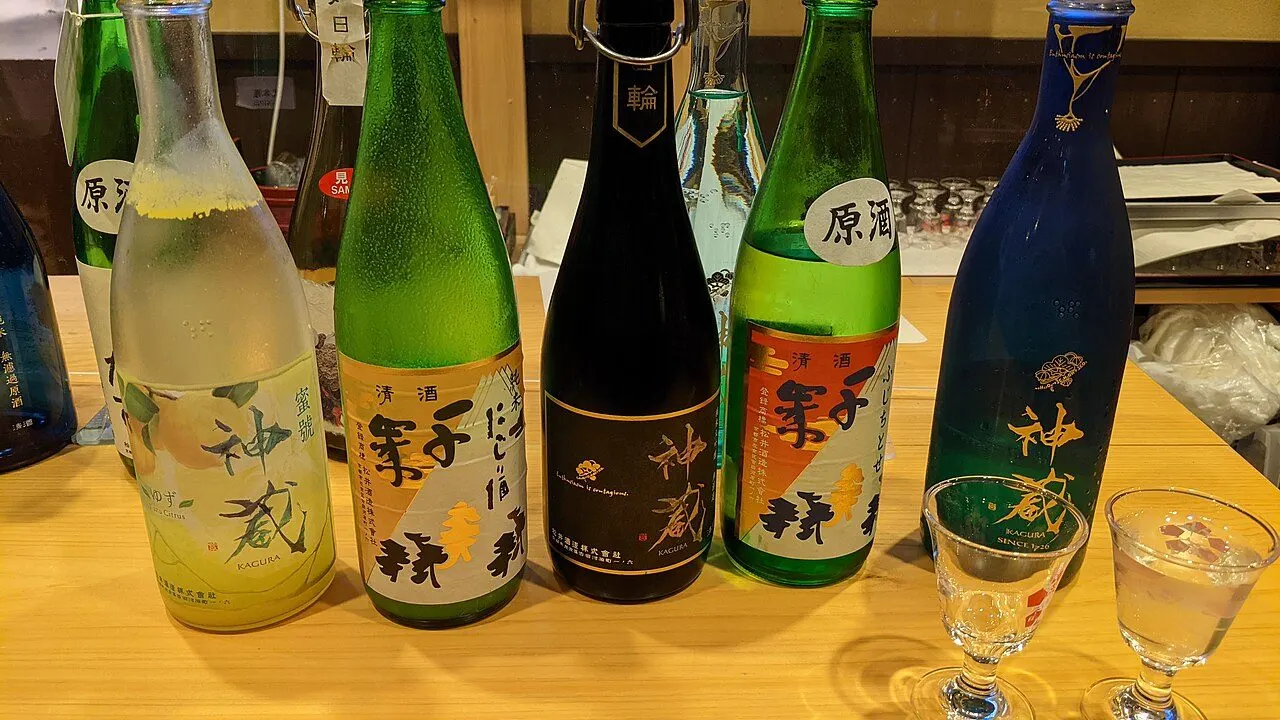
For most people, Dassai 39 Junmai Daiginjo is the right first bottle: fragrant, clean, and an honest picture of the junmai daiginjo grade. If you prefer savory, food-friendly sake or want something to warm on a cold night, go to Bijofu Matsuyama Mii Junmai instead.
What to Look For in Sake
Grade
Premium sake is sorted into grades by how far the rice is polished and whether brewer's alcohol was added. “Junmai” on the label means rice, water, koji and yeast only. Ginjo and daiginjo tell you the rice was polished further, which usually means more aroma and a lighter body. Our grade explainer covers the details.
Polishing ratio
Labels often show a percentage called seimai-buai. It is the share of each rice grain that remains after polishing, so a lower number means more was removed. Lower is not automatically better; it is a style choice.
Freshness
Most sake is best within a year or so of bottling. Look for a bottling date on the back label (often written in the Japanese calendar), and buy from shops that keep sake out of direct light and away from heat.
Serving temperature
Aromatic ginjo and daiginjo sake usually show best chilled. Fuller junmai and honjozo styles are worth trying both cool and gently warmed.
FAQs
Should sake be served hot or cold?
Both, depending on the sake. Delicate, fragrant styles are usually served chilled, while richer junmai and honjozo can be excellent warmed, from about 40°C (104°F) up to 50°C (122°F). Avoid boiling-hot sake; too high a temperature increases the pungent sensation of alcohol.
How long does sake keep after opening?
Close the bottle tightly and keep it in the fridge. Once opened, sake gradually begins to oxidize, though not as quickly as wine. Drink fragrant ginjo and daiginjo within a week of opening.
Does unopened sake need to be refrigerated?
Store it somewhere cool and dark. Unpasteurized sake, labelled “nama,” should always be kept in the fridge; pasteurized sake is more forgiving but still keeps best away from heat and light.
Why Trust MIJ TIMES?
This guide is written and maintained by the MIJ TIMES Editors, a small desk that covers sake for English-speaking readers. We choose bottles independently; retailers and breweries do not pay for placement. Every spec on this page comes from the linked product page and is logged with its source in our records. The tasting notes shown are the notes published by the retailer, summarized in our own words; our own panel notes will be added as the guide is updated. Read our editorial guidelines.
More Bottle Guides and Explainers