How to Visit a Sake Brewery in Japan
To visit a sake brewery in Japan, pick a town where several kura (breweries) sit within walking distance, go in winter if you want to see brewing, and book any tour ahead. Below are the season, four districts and the visitor rules that official sources name.
A visit to a kura (sake brewery) in Japan can mean a shop, a tasting counter, a look at the brewing rooms, or all three. In Kobe, the official guide lists viewing production through windows, tasting limited-edition and unpasteurized sake, and buying sweets made with sake-kasu, the lees left from brewing.
The Japan Sake and Shochu Makers Association (JSS) puts the contrast with wine in numbers. It cites experts who claim wine is 80% grape quality and 20% winemaker's skill, and says sake flavor is 20% rice quality and 80% brewer's skill. The Japan National Tourism Organization (JNTO) adds that many breweries offer tours explaining how rice variety and polishing can change the flavor.
When to Go
JSS says sake is brewed throughout winter, and top-quality sake is often made in the coldest months of late January. In its calendar, the previous season's brewing ends by June. A new season begins after the rice is harvested and dried.
JNTO says that across Japan, winter marks the peak of the brewing season, when cold air suits fermentation. Two breweries on JNTO's site show how the window differs. At Watanabe Sahei Shoten in Nikko, you can observe sake-making up close from November to March. At Sakemochida Honten in Izumo, the experience is only available between November and February.
Gekkeikan writes that in Fushimi during the depths of winter, rice is steamed and moromi, the main mash, is fermented, filling the air with its aroma. The trade-off is that Fushimi's Jikkokubune canal tour boats are inactive in the winter months, according to the Kyoto City Tourism Association.
A summer trip is still possible. Outside the brewing season, plan on museums, shops and tasting rooms. Year-round brewing does exist: the Kyoto City Tourism Association says sake is brewed throughout the year at Matsui Brewery.
Where to Go
JNTO points out that some cities have lots of breweries close together, making it easy to visit and taste a variety. The four districts below come from official tourism pages.
Fushimi, Kyoto
Fushimi sits in the southern part of Kyoto City and has over 20 breweries, according to the Kyoto City Tourism Association. Its groundwater is soft and low in minerals, and sake brewed from it is known for a gentle flavor and fragrant aroma. Many Fushimi breweries offer public tasting sessions. The Gekkeikan Okura Sake Museum is a 5-minute walk from Keihan Line Chushojima Station.
Nada-Gogo, Kobe
Nada-Gogo, the Five Villages of Nada, stretches from Kobe City to Nishinomiya City. VISIT KOBE calls it the top producing area by volume in Japan and says sake was first brewed there 700 years ago. VISIT KOBE says Nada sake is known as dry, with a sharpness and boldness unique to hard water brewing. Direct trains from Hanshin Uozaki Station reach Umeda in downtown Osaka in as little as 20 minutes.
Saijo, Higashi-hiroshima
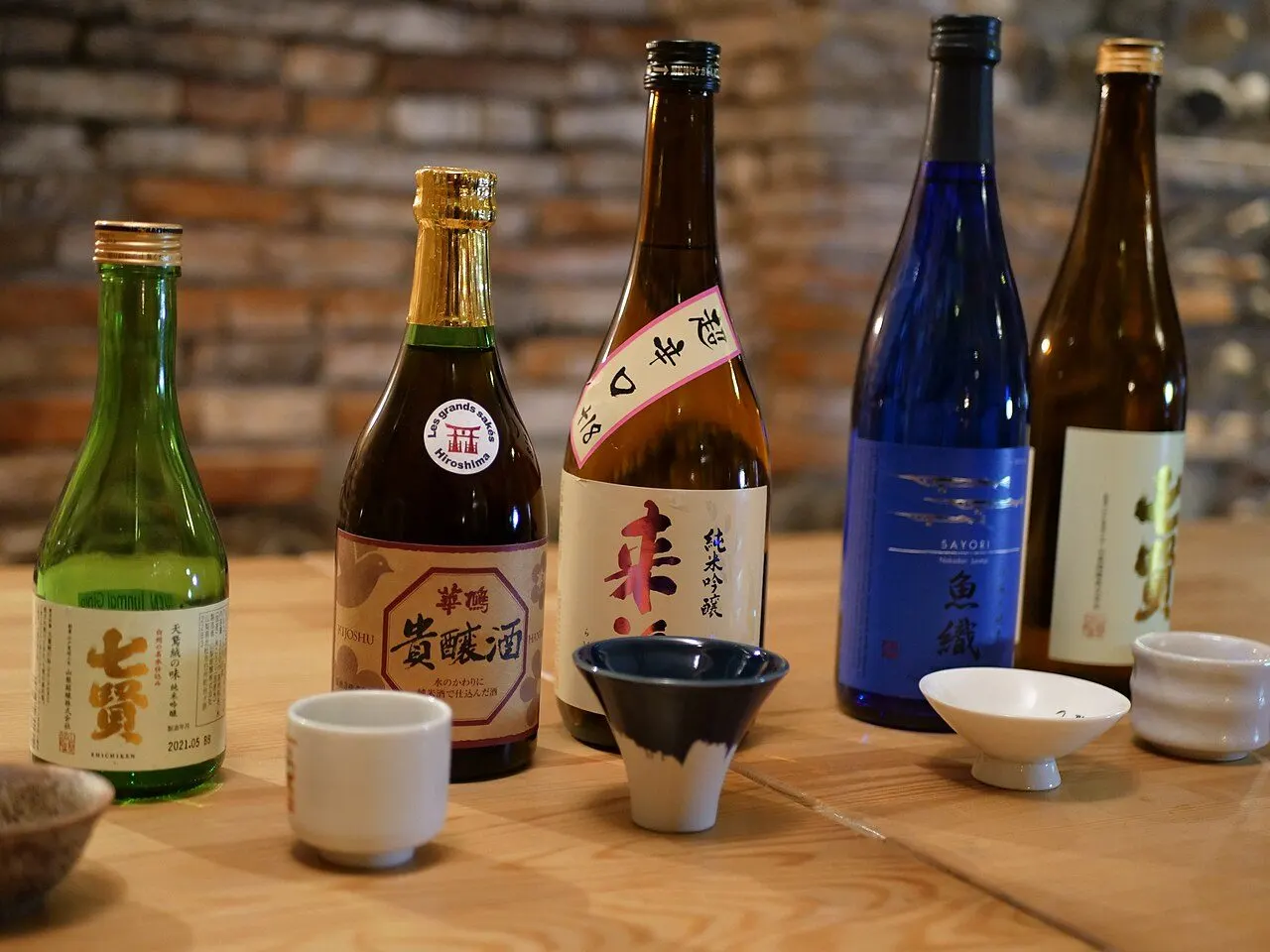
Saijo is a district of Higashi-hiroshima in Hiroshima Prefecture, locally known as a sake capital. JNTO says it earned that name as the center of a new style, ginjo sake, brewed with the area's unusually soft water, highly polished rice and low-temperature fermentation (our grade guide explains ginjo labels). Seven breweries remain, packed so tightly that it can often seem like a sake theme park. The Saijo Sake Matsuri festival is held each October. Saijo Station is on the Sanyo Main Line, about 35 minutes from Hiroshima Station, and Sakagura-dori is less than five minutes' walk away.
Tsuwano
Tsuwano's historic district holds a few sake breweries within easy walking distance of each other. JNTO describes them as small-scale craft breweries run by local families, a completely different experience from the larger breweries of Kobe or Saijo. Get there by train on the San'in Main Line or by taxi from Hagi-Iwami airport; three breweries are a short walk from Tsuwano Station.
How a Visit Works
Book tours before you travel. JNTO writes that smaller breweries, while often having tasting rooms with regular hours, should require reservations for any tours. In Nada, VISIT KOBE says advance booking is required for special experiences or to enter facilities not always open to the public.
Expect language gaps at small kura. JNTO says they will probably have only limited multi-language support, if any, and suggests a translation app or interpreter. It also warns that the opening days and hours of museums and shops can be irregular. JNTO suggests asking the local tourist-information center for a brewery's open hours and accessibility.
A tasting can follow the tour, as at Watanabe Sahei Shoten, where the owner ends with a sake tasting flight. VISIT KOBE asks visitors who plan to sample sake to use public transport. The Kyoto City Tourism Association reminds readers that the legal drinking age in Japan is 20.
Scent matters inside a brewery. VISIT KOBE asks visitors to avoid wearing strong scents. JNTO's page on Sakemochida Honten goes further. Visitors there are asked to avoid perfume, and fermented foods like natto (fermented soybeans) or yogurt, before the tour, because subtle scents and microorganisms can affect the brewing environment.
In Nada, VISIT KOBE's itinerary lists one brewery's onsite shop that sells bottles available only from the brewer. On VISIT KOBE's Nada itinerary, the store in one brewery museum is a tax-free shop. VISIT KOBE's Nada page also points to department stores that carry products from breweries that are off-limits to visitors.
Before you buy, check your home country's customs allowance for alcohol and your airline's rules for bottles in luggage. For bottles you can find once you are home, see our list of sakes to drink.
FAQs
When is the best time to visit a sake brewery in Japan?
Go in winter if you want to see brewing. JNTO says winter marks the peak of the sake-brewing season across Japan, and at Watanabe Sahei Shoten in Nikko you can observe sake-making up close from November to March.
Do I need to book a sake brewery tour?
For tours, plan to. JNTO writes that smaller breweries should require reservations for any tours, and VISIT KOBE says advance booking is required for special experiences in Nada.
Can I visit a sake brewery if I do not speak Japanese?
JNTO lists breweries that offer tours in English, and says Ozawa Brewery in Ome, Tokyo, has English brochures. Smaller breweries will probably have only limited multi-language support, if any, so bring a translation app or an interpreter.